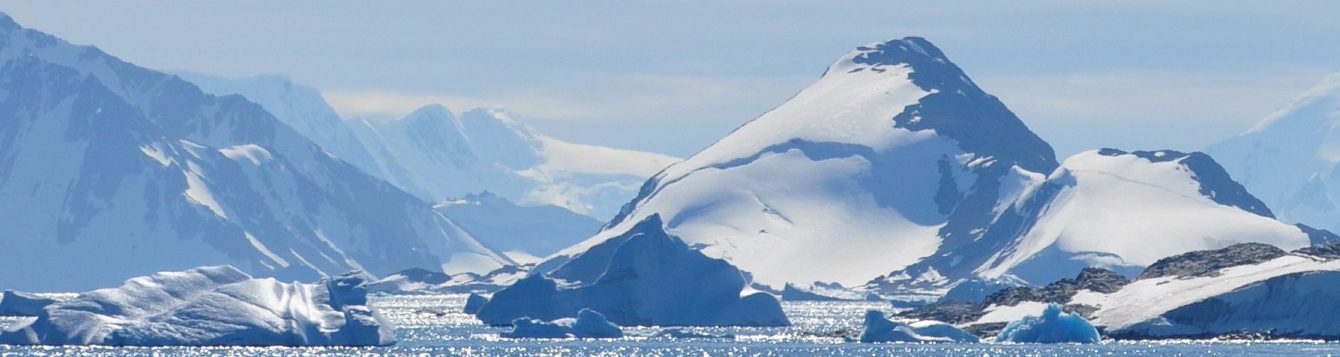
HABITAT LOSS
The sicker the oceans get, the more of their habitable regions vanish. Loss of aquatic habitats is mirroring the earlier pattern on land, which began with the Industrial Revolution and continues today.
Read more
The sicker the oceans get, the more of their habitable regions vanish. Loss of aquatic habitats is mirroring the earlier pattern on land, which began with the Industrial Revolution and continues today.
Read more
Number of golf courses worldwide operated by the U.S. military: 151
Read more
Smarty pants, after Google developers announced that they were teaming up with Levi’s to make jeans with conductive fibers that could be used as touch screens, allowing users to answer the phone or send a text just by swiping their thighs.
Read more
According to the U.N., India has 13 of the world’s 20 most polluted cities. Low vehicle-emission standards, booming industrialization, crowded cities and the burning of trash means that the vast majority of Indians breathe unsafe air.
Read more
To keep out foreign extremists and refugees seeking work, Saudi Arabia is now building a 600-mile wall along its border with Iraq, and is strengthening fortifications along its 1,060- mile border with Yemen.
Read more
The five most popular names for baby girls in 2014 were (in order) Emma, Olivia, Sophia, Isabella, and Ava, according to the U.S. Social Security Administration. For boys, the most popular were Noah, Liam, Mason, Jacob, and William.
Read more
60% – Share of the planet’s largest herbivores, including elephants, gorillas and rhinos, at risk of extinction, according to a new study.
Read more
The oldest person in the world, JeraleanTalley of Michigan, turned 116 last week. The two oldest persons ever known to science, Sarah Knauss of Pennsylvania and Jeanne Calment of France, reached 119 and 122, respectively.
Read more
Total number of passenger planes that have gone missing without a trace since 2000: 10
Read more
After decimating the Tanzanian elephant population, poachers have now killed half of the elephants in neighboring Mozambique in just five years. A survey by Mozambique’s government and the U.S.-based Wildlife Conservation Society found that the herd has shrunk from 20,000 in 2010 to just over 10,000 animals today. “This decline is due to rampant elephant poaching in the country’s most important […]
Read more