New species in the Himalayas

new species in the Himalayas

A bright blue dwarf snakehead fish that can wriggle around on land for up to four days at a time and a snub-nosed monkey that sneezes when it rains: Those are just two of 211 new species found over the past five years in the Eastern Himalayas, the World Wildlife Federation reports. The region, which spans central Nepal, Myanmar, and […]

Read more

Massive solar eruption to hit Earth before New Year’s Eve

In 2015, scientists predicted that a massive solar eruption would hit Earth just before New Year’s Eve. It was expected to cause power fluctuations, radio blackouts and even affect GPS reception. There was a small chance it could make the Northern Lights visible in the San Francisco Bay Area. The National Oceanic and Atmospheric Administration predicted that the Aurora Borealis […]

Read more

Tracing The Moon’s Origins

Some new thinking may have brought astronomers a step closer to solving the mystery of how our moon formed. Researchers have long believed that the moon was cleaved from a Mars-sized planet that collided with Earth some 4.5 billion years ago. Yet recent tests of lunar rock samples suggest that the moon’s chemical makeup is too similar to Earth’s to […]

Read more

Ice in a planetary cauldron

With temperatures in excess of 800 F, Mercury is one of the last places in the solar system you’d expect to find ice. But when NASA’s Messenger spacecraft transmitted its first optical images of the closest planets to the sun, that’s exactly what scientists discovered. Mercury sits about 36 million miles from the sun, which is roughly 57 million miles […]

Read more

EARTHS CARBON DIOXIDE LEVELS REACH HISTORIC HIGH

EARTHS CARBON DIOXIDE LEVELS REACH HISTORIC HIGH

Climatologists found that the carbon dioxide levels have risen so high that they could have catastrophic consequences to our life on the planet earth.  Prior to the 18th century the levels were averaging about 280 ppm (parts per million).  The Industrial Revolution began burning fossil fuels which sent more carbon dioxide into the atmosphere.  They are predicting that our carbon […]

Read more

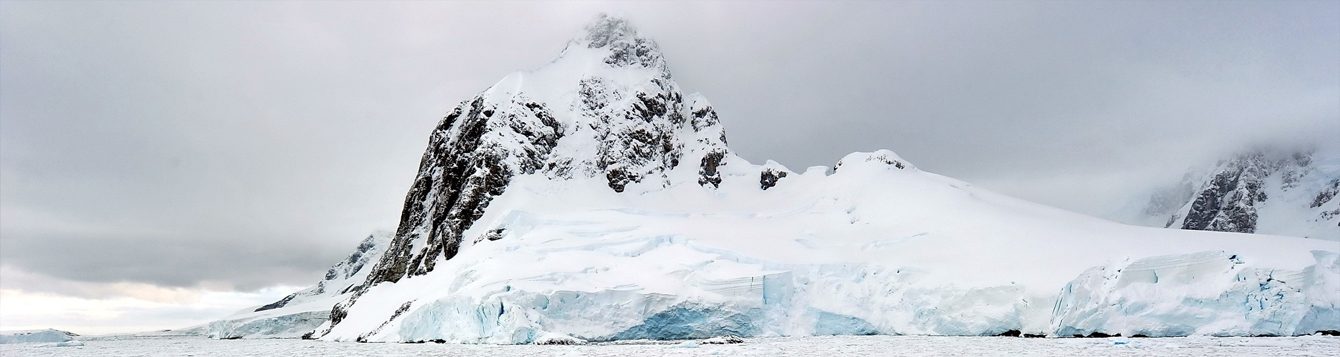
International team of scientists reports on Antarctic lead pollution

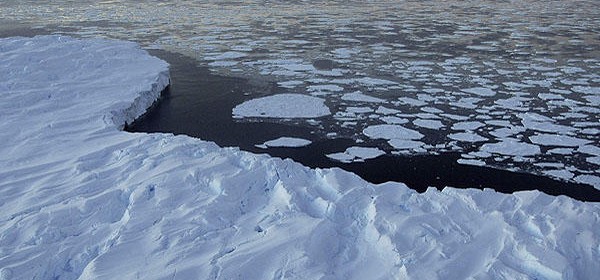
Researchers from Australia, Denmark, Germany, Norway, United Kingdom, and the United States conducted lead concentration measurements of sixteen ice core samples, and found that industrial air pollution has persisted Antarctica since its arrival there in 1889 and remains significant in the current century. Their study was published in Scientific Reports on July 28, and covered in Nevada‘s Review journal. Lead […]

Read more
1 17 18 19 20 21 24