Evergreen Trees at risk in Southwest U.S.

Evergreen trees

A research paper published in Nature Climate Change predicts widespread death of needleleaf evergreen trees (NET) within the Southwest United States by the year 2100 under projected global warming scenarios. The research team that conducted the study, which includes University of Delaware’s Sara Rauscher, considered both field results and a range of validated regional predictions and global simulation models of […]

Read more

Ancient fossil forest unearthed in Arctic Norway

UK researchers have unearthed ancient fossil forests, thought to be partly responsible for one of the most dramatic shifts in Earth’s climate in the past 400 million years. The fossil forests, with tree stumps preserved in place, were found in Svalbard, a Norwegian archipelago situated in the Arctic Ocean. They were identified and described by Dr Chris Berry of Cardiff […]

Read more

Seabin – The Automated Marina Rubbish Collector

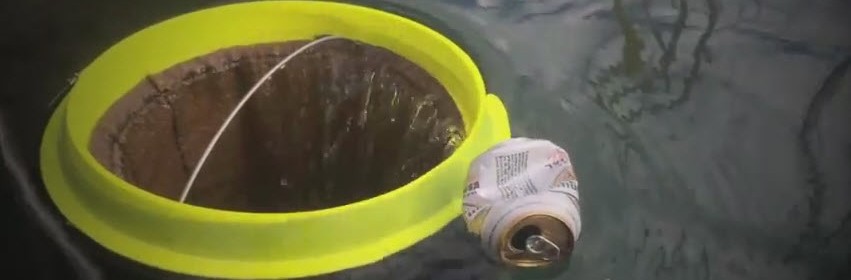
The Seabin marine waste collector shows how often the simplest solutions are the most effective. The rubbish collector, designed to float in marinas, inland waterways, residential lakes and harbors, collects floating debris and liquids by sucking water from the surface and letting if flow out through the bottom of the structure, trapping waste in a filter bag. The inventors have […]

Read more

Antarctic Ice Sheet Mass gains greater than losses

Antarctic Ice Sheet

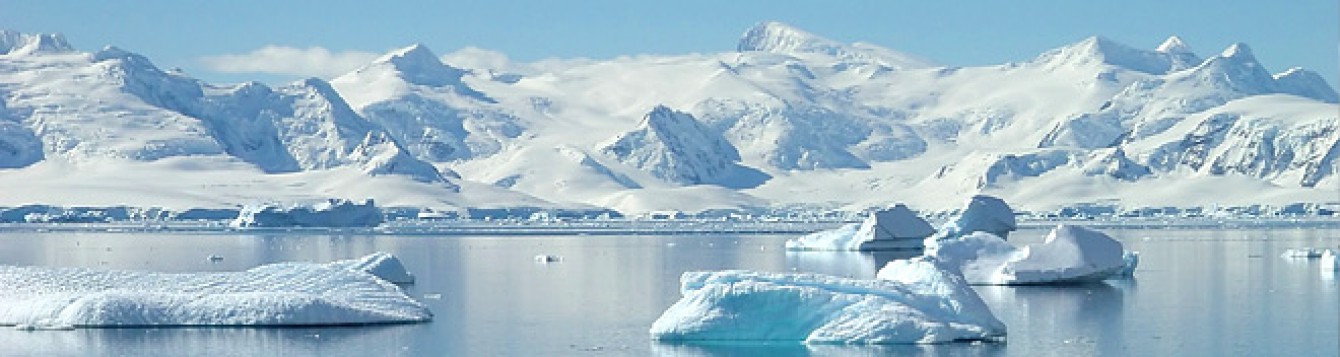
A new NASA study on the Antarctic Ice Sheet says that an increase in Antarctic snow accumulation that began 10,000 years ago is currently adding enough ice to the continent to outweigh the increased losses from its thinning glaciers. The research challenges the conclusions of other studies, including the Intergovernmental Panel on Climate Change’s (IPCC) 2013 report, which says that […]

Read more

Ancient Boiling Oceans

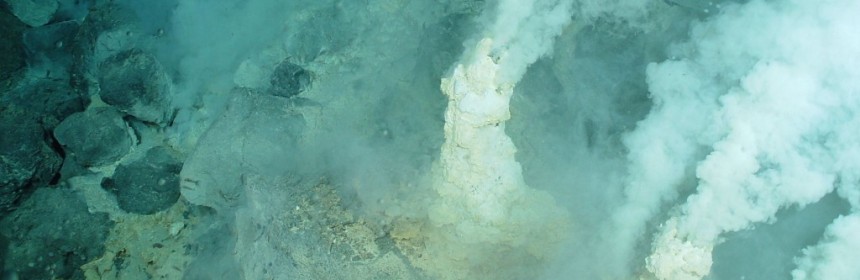
In its early days, Earth became hell. About 3.3 billion years ago, new research indicates, at least two massive asteroids 30 to 60 miles in diameter smashed into this planet, boiling the oceans and sending atmospheric temperatures soaring to an unimaginable 932 degrees Fahrenheit. Stanford University scientists have found evidence of this extreme era in a geological formation in South […]

Read more

A warmer world will be a hazier one

Aerosols, tiny solid and liquid particles suspended in the atmosphere, impact the environment by affecting air quality and alter the Earth’s radiative balance by either scattering or absorbing sunlight to varying degrees. What impact does climate change, induced by greenhouse gases (GHGs), have on the aerosol “burden”–the total mass of aerosols in a vertical column of air? Past research done […]

Read more

Drastic climate change

An analysis of isotopes in marine fossils from around the world yielded the most complete record of Earth’s temperatures yet—and showed that the planet is heating up at a rate unprecedented in the past 11,300 years. Scientists say that if it weren’t for greenhouse gas emissions, a cooling trend that began 5,000 years ago after a shift in the planet’s […]

Read more
1 2 3 4