A Moon With Water

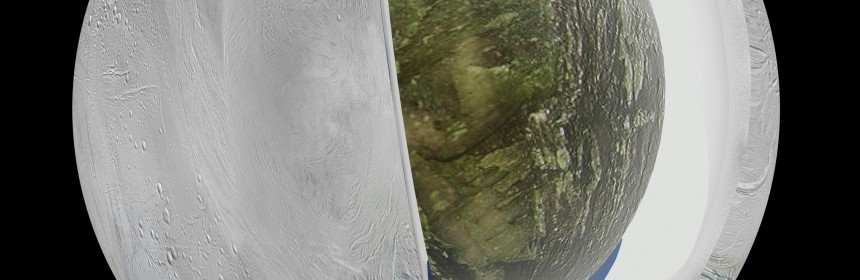
Astrobiologists searching the heavens for extraterrestrial life have a simple motto: “Follow the water, ”says The Washington Post. Water is an essential ingredient in all earthly biochemistry, so scientists believe it’s logical to look for life first on planets and moons with liquid water.New data from NASA’s Cassini spacecraft indicate that Enceladus, a tiny, ice-encrusted moon orbiting Saturn, may be […]

Read more
Mosquitoes Bring Chikungunya To The U.S.

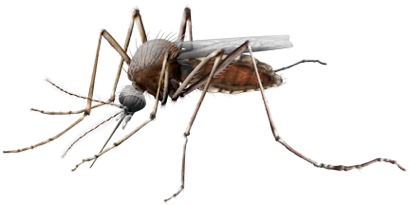
Mosquito

Chikungunya is a serious health threat. Mosquitoes once limited to tropical I regions are spreading north to the U.S., carrying both dengue fever and Chikungunya, a virus that causes fever, chills, headache, and punishing joint pain that can persist for years. Once a relatively obscure illness limited mostly to Africa, Chikungunya (pronounced chicken gunya) has transformed over the past decade […]

Read more

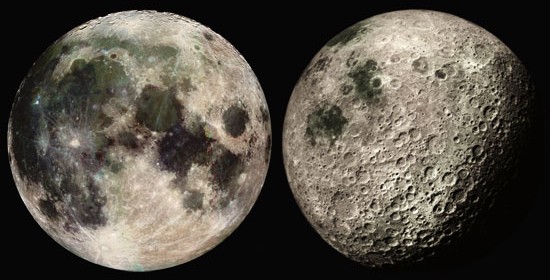
Tracing The Moon’s Origins

Some new thinking may have brought astronomers a step closer to solving the mystery of how our moon formed. Researchers have long believed that the moon was cleaved from a Mars-sized planet that collided with Earth some 4.5 billion years ago. Yet recent tests of lunar rock samples suggest that the moon’s chemical makeup is too similar to Earth’s to […]

Read more

EARTHS CARBON DIOXIDE LEVELS REACH HISTORIC HIGH

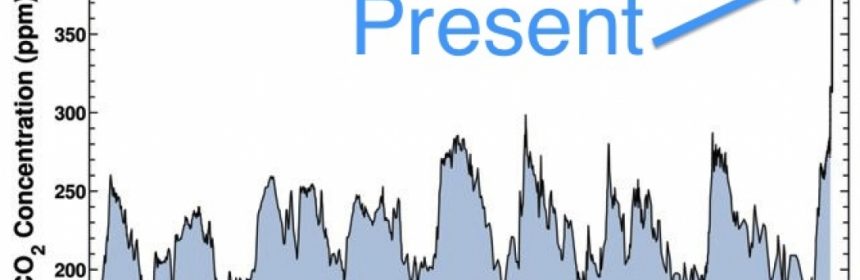
EARTHS CARBON DIOXIDE LEVELS REACH HISTORIC HIGH

Climatologists found that the carbon dioxide levels have risen so high that they could have catastrophic consequences to our life on the planet earth.  Prior to the 18th century the levels were averaging about 280 ppm (parts per million).  The Industrial Revolution began burning fossil fuels which sent more carbon dioxide into the atmosphere.  They are predicting that our carbon […]

Read more

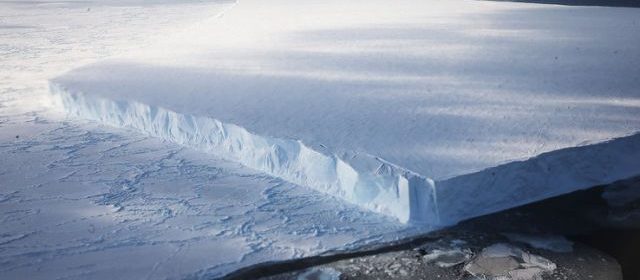
International team of scientists reports on Antarctic lead pollution

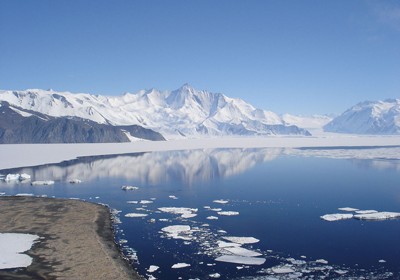
Researchers from Australia, Denmark, Germany, Norway, United Kingdom, and the United States conducted lead concentration measurements of sixteen ice core samples, and found that industrial air pollution has persisted Antarctica since its arrival there in 1889 and remains significant in the current century. Their study was published in Scientific Reports on July 28, and covered in Nevada‘s Review journal. Lead […]

Read more

Freshwater under the ocean

Vast reserves of freshwater have been discovered beneath the seabed of continental shelves off Australia, China, North America, and South Africa—a potentially valuable resource for coastal cities needing to alleviate water shortages or combat drought. The finding comes from a new analysis of seafloor water studies conducted for oil and gas exploration purposes. The total volume of these untapped reserves […]

Read more

The Hungry Planet

More than 850 million people around the world—one in nearly seven—don’t have enough to eat. Although current global food production is sufficient to feed everyone, the number eating less than the minimum the human body needs—an average 2,100 calories a day for adults—now grows by more than ten million a year, mostly in the poorest nations. Countries with unstable food […]

Read more

Oxygen-starved oceans held back life’s recovery after the ‘Great Dying’

Stanford scientists have found that chronically low levels of oxygen throughout the oceans hampered the recovery of life after the Permian-Triassic extinction, the most catastrophic die-off in our planet’s history. Also known as the “Great Dying,” global ecosystems collapsed as some 90 percent of species perished in this extinction event 250 million years ago. The new findings, published this week […]

Read more
1 18 19 20 21 22 24