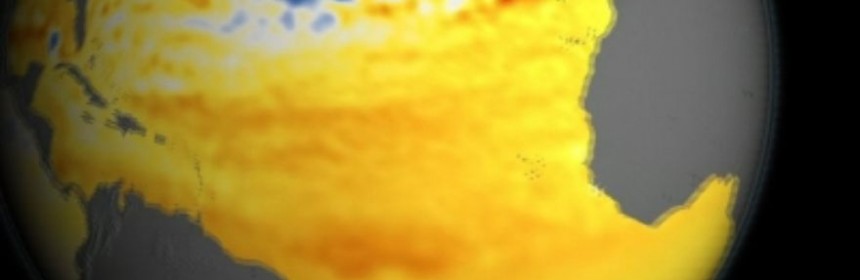
Antarctica’s Balmy Past

When the atmosphere had much higher levels of carbon dioxide, Antarctica was as warm as California. New research has revealed that 430 million to 50 million years ago, temperatures on the frozen continent averaged 57 degrees Fahrenheit, with part of the surrounding Pacific Ocean reaching up to 72 degrees. In this ancient era, known as the Eocene epoch, carbon dioxide […]

Read more

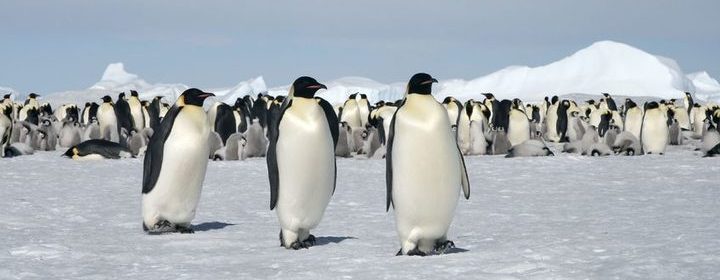
Why Did The Worlds 2nd Largest Emperor Penguin Colony Disappear?

Emperor Penguins Wiped Out - Antarctic Ice Shelf

In 2016, the world’s 2nd largest emperor penguin colony had been wiped out overnight. Thousands of emperor penguin chicks drowned after an ice shelf in Antarctica collapsed. In the years following the catastrophic collapse of the ice shelf at Halley Bay, Scientists have concluded that no breeding has been detected in the area since. On average, approximately 15,000 to 24,000 […]

Read more

Life of Penguins

Life of Penguins

When an El Nino hits, the lives of penguins are in peril.  During the 1997 El Nino the penguin population fell by a third. During Climate Change a difference in temperature of at least one degree can be a life and death situation for penguins.  Researchers followed a group of about 15 breeding penguins from 1992 to 2010 on the […]

Read more

Record-Breaking Heatwave Causes Intense Arctic wildfires

Uncontrolled wildfires ravage the Arctic

More than 100 intense Arctic wildfires have ravaged the Arctic since June, with scientists describing them as “unprecedented.” Satellite images show huge clouds of smoke billowing across uninhabited Arctic land in Greenland, Siberia and parts of Alaska. The wildfires come after the planet experienced the hottest June on record and is on track to experience the hottest July on record, […]

Read more

Climate change helps Alaskan grow organic food on the tundra

Between fighting wildfires and rerouting the Iditarod, Alaska has had a tough time with climate change. But at least there’s one good outcome: local food. In Bethel, a town in southwestern Alaska, farmer Tim Meyers is taking advantage of rising temperatures to grow food in the previously inhospitable tundra. NPR reports: At the 15-acre organic farm, which has been operating for more […]

Read more

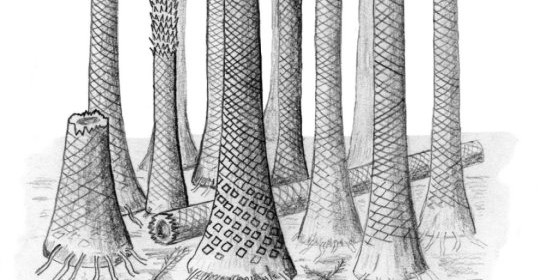
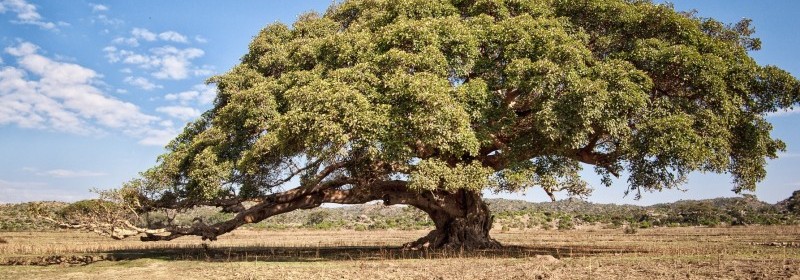
Vines strangle carbon storage in tropical forests

Tropical forests account for a third of the total carbon fixed by photosynthesis. Lianas’ increasing abundance may be driven by changing climate, increased disturbance or by more severe seasonal drought. By reducing the ability of tropical forests to accumulate and store carbon released through burning fossil fuels, lianas could cause a positive feedback loop, accelerating climate change. “This study has […]

Read more

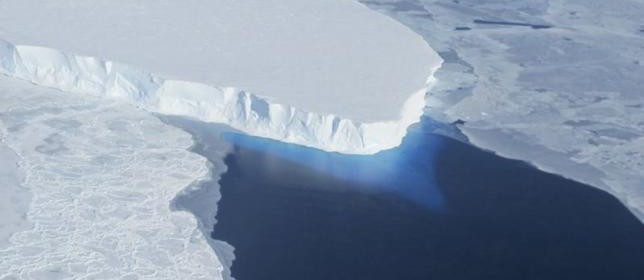
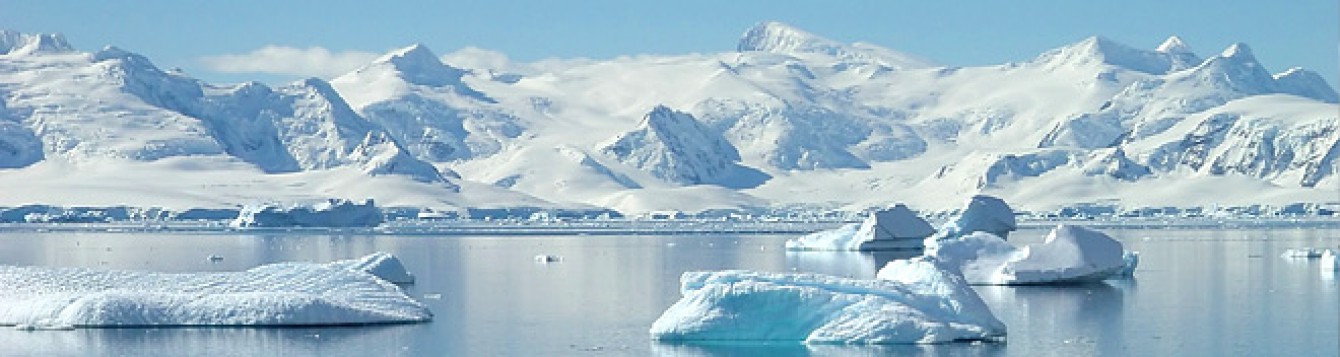
Antarctic ice sheet is more vulnerable to carbon dioxide than expected

Results from a new climate reconstruction of how Antarctica’s ice sheets responded during the last period when atmospheric carbon dioxide (CO2) reached levels like those expected to occur in about 30 years, plus sediment core findings reported in a companion paper, suggest that the ice sheets are more vulnerable to rising atmospheric CO2 than previously thought. Details appear in two […]

Read more
1 2 3 12