Better Water Use Can Cut Global Food Gap

Although growing human numbers, climate change and other crises threaten the world‘s ability to feed itself, researchers believe that if we used water more sensibly that would go a long way towards closing the global food gap. Politicians and experts have simply underestimated what better water use can do to save millions of people from starvation, they say. For the […]

Read more

Evergreen Trees at risk in Southwest U.S.

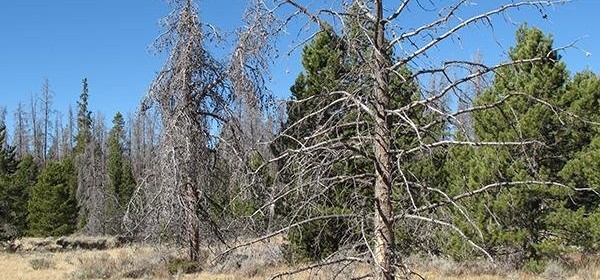
Evergreen trees

A research paper published in Nature Climate Change predicts widespread death of needleleaf evergreen trees (NET) within the Southwest United States by the year 2100 under projected global warming scenarios. The research team that conducted the study, which includes University of Delaware’s Sara Rauscher, considered both field results and a range of validated regional predictions and global simulation models of […]

Read more

Warming oceans killing coral reefs

Coral reefs around the world are experiencing a massive die-off that could be the worst in recorded history, a new study warns. Stoked by climate change and a powerful El Nino, record-high ocean temperatures have triggered the global event, which began last year and is expected to destroy 5 percent of the world’s coral reefs by 2016. The temperature changes […]

Read more

Renewables offer quick fix for US emissions

The US could reduce greenhouse gas emissions from electricity generation by 80% below 1990 levels within 15 years just by using renewable sources such as wind and solar energy, according to a former government research chief. The nation could do this using only technologies available right now, and by introducing a national grid system connected by high voltage direct current […]

Read more

The Arctic’s ozone hole

The ozone layer over the Arctic Circle developed a giant hole this winter, scientists say. Over the North Pole, 40 percent of the ozone layer has disappeared—a record seasonal loss. Ozone high in the atmosphere shields the Earth from harmful UV rays, and it fluctuates seasonally; usually about 25 percent of the Arctic’s ozone layer fades every winter. In the […]

Read more

Before The Flood – A Journey for Climate Change

Leonardo DiCaprio - Before The Flood

Before the Flood, directed by Fisher Stevens, is a documentary that captures a three year personal journey of the Academy Award-winning actor and U.N. Messenger of Peace Leonardo DiCaprio. What was Leonardo Dicaprio’s Mission in Before the Flood? His mission was to explore the level of destruction climate change has caused around the world, and to sensitise the world’s nations […]

Read more

The Coldest Place on Earth

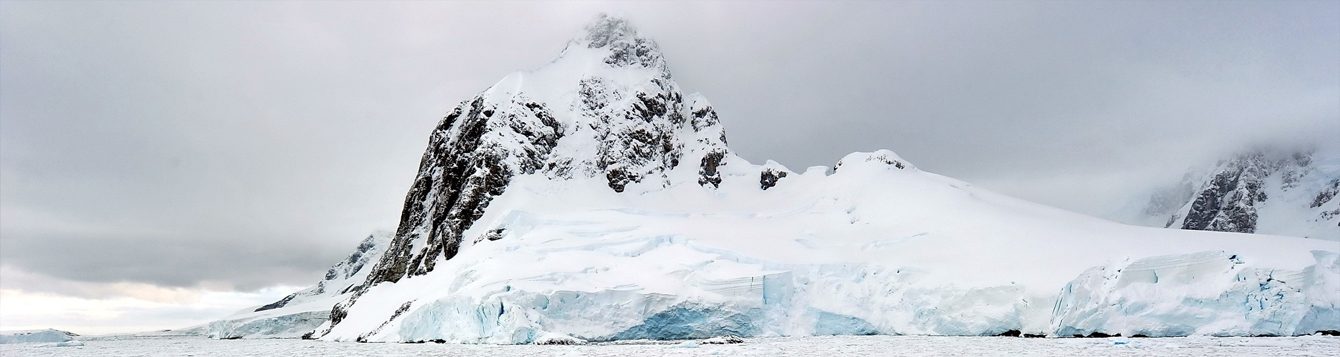
East Antarctic Ice Sheet - Coldest Place On Earth

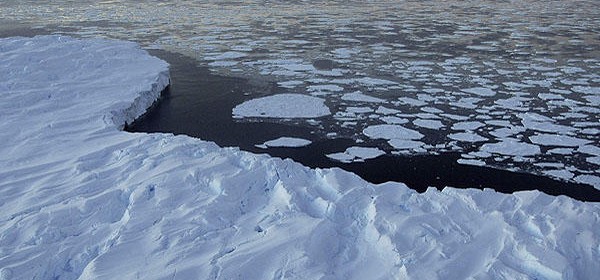
According to National Geographic, the coldest place on Earth is the East Antarctic Ice Sheet with temperatures as low as minus 144 degrees Fahrenheit. The temperature reading was taken during the polar winter and is the lowest temperature ever recorded on the Earth. Russia’s Vostok Weather Station previously held the record for the lowest recorded temperature. However, that record has […]

Read more

New framework sheds light on how, not if, climate change affects cold-blooded animals

Cold-blooded animals like lizards, insects and fish have a preferred body temperature range at which they hunt, eat, move quickly and reproduce. Fear that a warming climate will constrict this temperature range underlies recent studies that warn of the detrimental effects of climate change on the activity and survival of cold-blooded animals. While not contradicting these warnings, a new paper […]

Read more

A Changing Jet Stream

Climate Changes

Climate change appears to be affecting the jet stream, altering the weather patterns over the U.S. so that regions can get “stuck” in extreme weather for weeks, a new study has found. The jet stream is the fast-moving, high-altitude air current that shuttles weather from west to east over North America and Europe. But the pronounced warming of the Arctic—where […]

Read more
1 2 3 7