Nasa: Antarctic ice-shelf will be gone by 2020

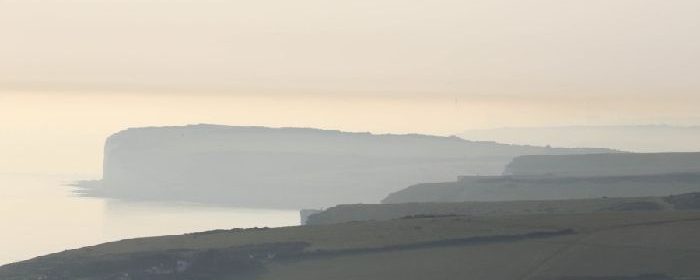
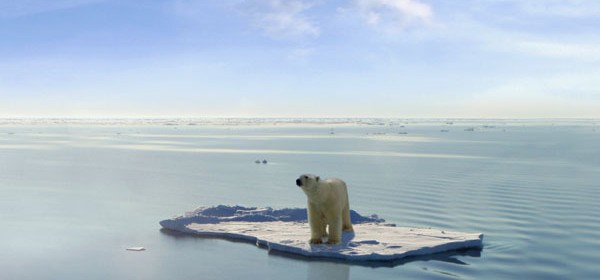
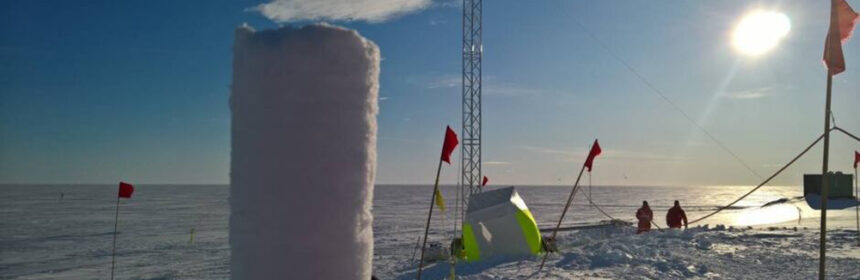
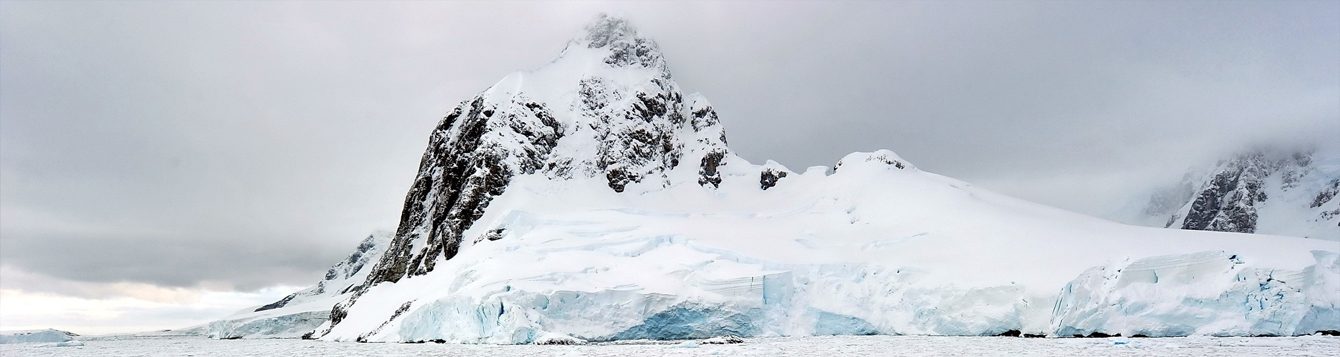
According to a new study by Nasa, Antarctica’s Larsen B ice-shelf is on course to completely disintegrate within the next five years. Studies show that the 10,000-year-old ice shelf, after partially collapsing in 2002, is “quickly weakening.” “These are warning signs that the remnant is disintegrating,” said Ala Khazendar of Nasa’s Jet Propulsion Laboratory (JPL) in Pasadena, California. “Although it’s […]

Read more

The sun takes a rare hiatus

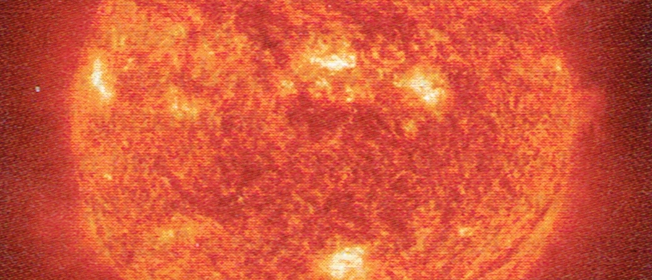
Sunspot activity may be entering a lull for the first time in almost 400 years, offering scientists a rare chance to gauge how solar conditions affect Earth’s climate. “This is highly unusual and unexpected” says Frank Hill, a researcher at the National Solar Observatory. Three new NSO studies suggest that the sun’s fluctuating magnetic field may soon become too weak […]

Read more

Carbon rise keeps water in drylands

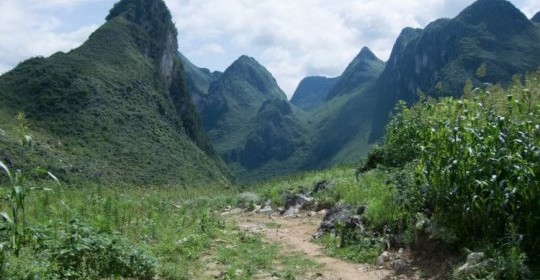
The drylands of the world are getting greener, and researchers think it is thanks to higher levels of carbon dioxide in the atmosphere. In a paradoxical discovery, even as landscapes become increasingly at risk of desertification, they may also look more luxuriant. Two scientists from Purdue University in Indiana, US, and a researcher in Saudi Arabia report in the journal […]

Read more

Drastic climate change

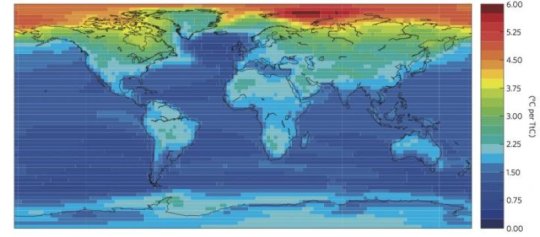
An analysis of isotopes in marine fossils from around the world yielded the most complete record of Earth’s temperatures yet—and showed that the planet is heating up at a rate unprecedented in the past 11,300 years. Scientists say that if it weren’t for greenhouse gas emissions, a cooling trend that began 5,000 years ago after a shift in the planet’s […]

Read more
1 3 4 5 6 7