Next Superpower Countries?

These nations have been dismissed as underdogs and weaklings. But like budding superheroes, they’ve been sitting on hidden talents. And now they’re about to fly. 1. FINLAND SUPERPOWER: INVINCIBLE TEACHERS If you’re a kid in Finland, you don’t start school until you’re 7 years old. There’s almost no homework until you’re a teenager. You don’t wear a uniform, you can […]

Read more

Solar storm blasts Earth

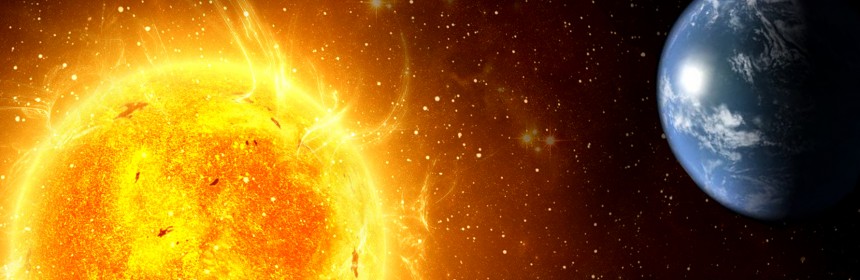
The largest solar storm since 2005 swept across the planet this week, forcing airlines to reroute flights and disrupting communications from global positioning satellites. This spontaneous blast of solar radiation may have affected power grids and high-frequency radio communications in the northern latitudes, said the U.S. Space Weather Prediction Center. A number of airlines, which route some U.S.-Asia flights over […]

Read more

The Seasons Of Antarctica

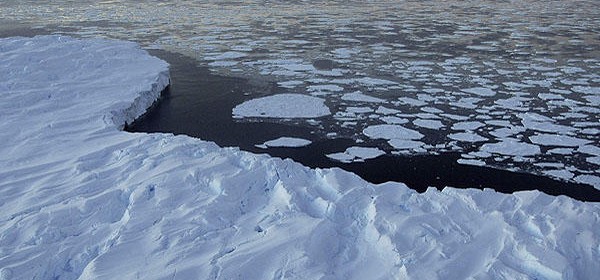
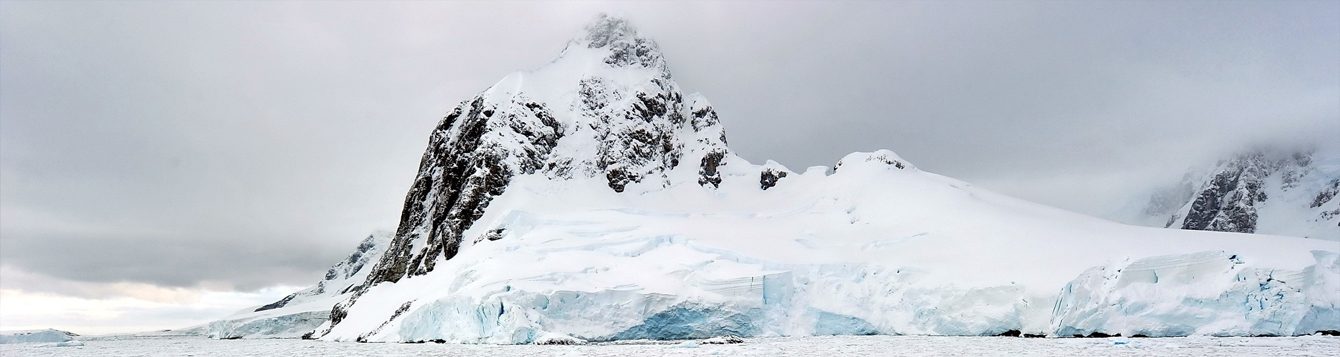
Winter in Antarctica, it is dark all of the time. In the Antarctic summer, (between January and March, when there is plenty of daylight—twenty-four hours a day! In September, the Sun rises, and then doesn’t set again until March. Why does Antarctica have six whole months of darkness in the winter and six whole months of lightness in the summer? […]

Read more

How the moon was made

How the moon was made

People always wonder how the moon was made. The birth of the planets 4.5 billion years ago was extremely violent. They grew to full size by absorbing rival planet embryos in a series of titanic collisions—one of which probably gave Earth its moon (below). The moon’s large size, low density, and other features suggest that it emerged from an explosion […]

Read more

Plate tectonics thanks to plumes?

“Knowing what a chicken looks like and what all the chickens before it looked like doesn’t help us to understand the egg,” says Taras Gerya. The ETH Professor of Geophysics uses this metaphor to address plate tectonics and the early history of the Earth. The Earth’s lithosphere is divided into several plates that are in constant motion, and today’s geologists […]

Read more

Mapping the moon

Two NASA probes that spent last year orbiting the moon have returned stunning new geological maps that could help explain how it, Earth, and other planets in our solar system formed. The probes, named Ebb and Flow, flew identical orbits just miles above the moon’s surface to measure its gravity field. Slight disruptions in their paths—caused by the push and […]

Read more

Earth’s bigger, older cousins

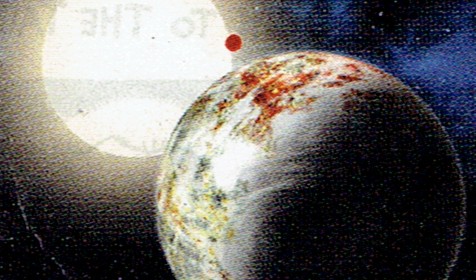
Astronomers have discovered the larg­est rocky planet yet, and its existence has profound implications for our understanding of the early universe and the potential for extraterrestrial life. Kepler-10c, which was spotted by NASA’s Kepler space telescope, has a diameter of roughly 18,000 miles—more than twice that of Earth —prompting scientists to create a new class of planets, dubbed “mega-Earths.”The body’s […]

Read more

Galactic turmoil ahead

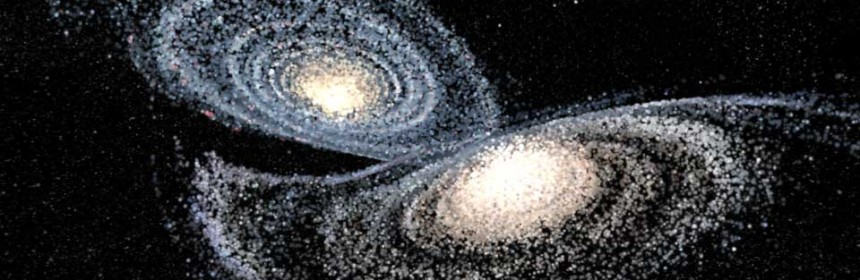
The Milky Way and its closest neighbor, the Andromeda galaxy, are on course for “ a head-on collision,” says astronomer Roeland van der Marel of the Space Telescope Science Institute. But no need for precautions because the crash won’t happen for another 4 billion years. Researchers have long known that Andromeda, currently some 2.5 million light-years away, is moving toward […]

Read more
1 2 3 4