Japan to hunt 950 whales for “scientific research”

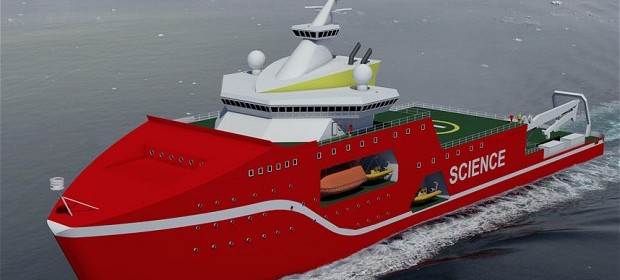
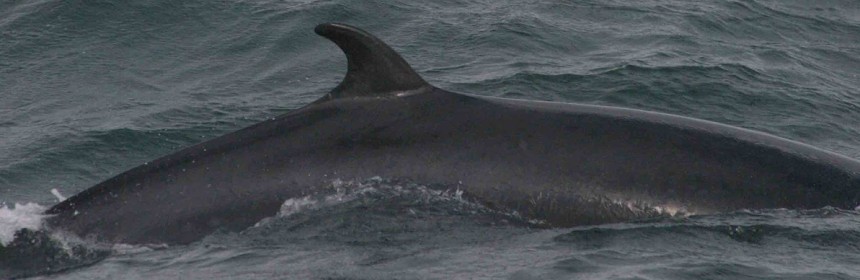
The Japanese whaling fleet is reportedly heading into the seas around Antarctica, drawing widespread condemnation from campaigners. Japan’s fleet of six ships left the port of Shimonoseki, western Japan with a quota of 940 minke whales and 10 fin whales. Calls for the Australian government to intervene have been rejected by the environment minister, Senator Ian Campbell. Japan’s whaling program, […]

Read more

New cli-fi novel pits an at-risk blue whale against Antarctic collapse

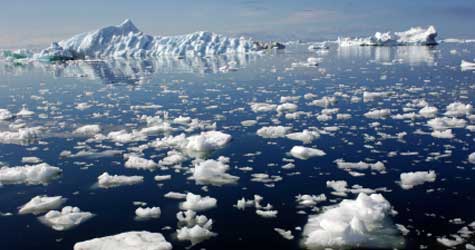
A large iceberg floating in the ocean under a cloudy sky with geometric overlay.

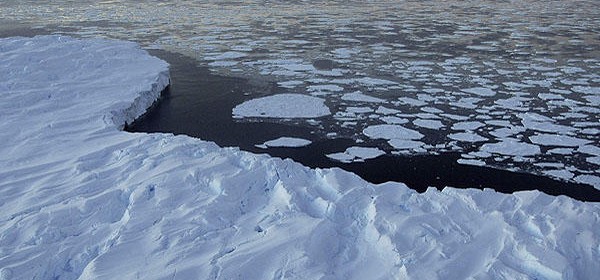
As a new generation of writers confronts global warming, a new book genre has emerged: “climate fiction”, or “cli-fi”. Russell: “In my secret heart, I hope that all these books that are now talking about climate change will help to move public opinion.” That’s Canadian novelist Craig Russell. In his recent book, Fragment, a shockwave sends a massive Antarctic ice […]

Read more

Life of Penguins

Life of Penguins

When an El Nino hits, the lives of penguins are in peril.  During the 1997 El Nino the penguin population fell by a third. During Climate Change a difference in temperature of at least one degree can be a life and death situation for penguins.  Researchers followed a group of about 15 breeding penguins from 1992 to 2010 on the […]

Read more

Ozone Hole Over Antarctica

Ozone Hole Over Antarctica

The ozone layer is a protector of the earth from ultraviolet radiation from the sun.  According to reports the ozone layer is getting smaller over Antarctica.  The scientists are using satellites and sensors to get information on the measurements of the ozone layer. Since the early 20th century when the emissions of chemical substances called halo-carbons the ozone layer has […]

Read more

Antarctica’s Native Insect

Antarctica’s Native Insect - Antarctica Journal News

Antarctica’s native insect, the Antarctic Midge is a flightless insect that can survive nine months frozen at temps of at least negative 15 degrees Celsius.  It loses about 70% of its body fluids and can live for about a month without oxygen.  The midge survives because of its combination of rapid cold hardening and warm temperatures in its underground habitat.  […]

Read more

Antarctic Ice Sheet Mass gains greater than losses

Antarctic Ice Sheet

A new NASA study on the Antarctic Ice Sheet says that an increase in Antarctic snow accumulation that began 10,000 years ago is currently adding enough ice to the continent to outweigh the increased losses from its thinning glaciers. The research challenges the conclusions of other studies, including the Intergovernmental Panel on Climate Change’s (IPCC) 2013 report, which says that […]

Read more
1 2 3 9