Honeybee Deaths On The Rise

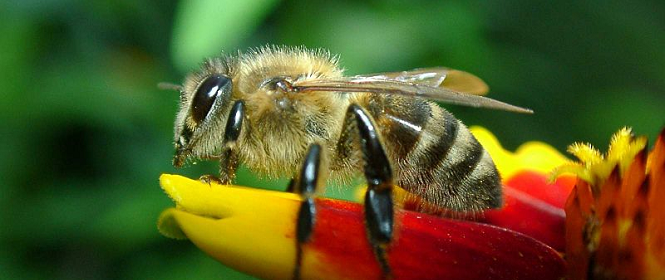
“Colony collapse disorder” the mysterious, decade-long die-off among honeybees, is getting worse. A survey of about 5,000 beekeepers in the U.S. has found that they’ve lost about 42 percent of their colonies over just the past year. Even more alarming is the fact that honeybee deaths spiked in the summer, when bees are usually healthiest. “What we’re seeing with this […]

Read more

The 5.1 earthquake that rattled Southern California

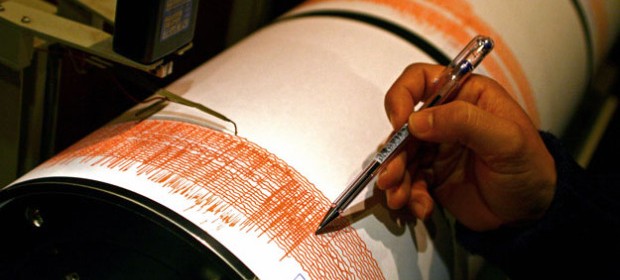
La Habra, Calif. Quake fears: The magnitude-5.1 earthquake rattled Southern California, raising fears that the tremors could presage the long-dreaded “Big One”—a catastrophic quake that could devastate the region. The temblor and its more than 100 aftershocks originated in La Habra, Calif., along the Puente Hills thrust fault that stretches from the suburbs of northern Orange County into Hollywood. Residents […]

Read more

Tremors from fracking

Prague, Okla Tremors from fracking: Scientists have linked Oklahoma’s largest earthquake—a 5.6 magnitude quake near the town of Prague, in 2011—to hydraulic fracturing, supporting claims that the process increases seismic activity. Fracking, as it is known, injects water and chemicals into petroleum deposits in order to extract trapped gas. This week, researchers at the University of Oklahoma, Columbia University, and […]

Read more

Environmental Campaign Urges People To Be Thankful For Pollinators This Thanksgiving

Imagine what your Thanksgiving table would look like without any food that is pollinated by bees. It’s a challenge issued by the group Environment Washington, which is highlighting the issue with a campaign called “No Bees, No Food.” Canvassers for the group say if bees die off, then turkey, rolls and potatoes are all  that would be left on the […]

Read more

Destroying Antarctica While Attempting To Save It

Destroying Antarctica

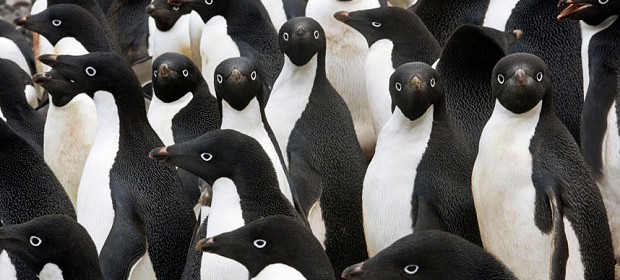
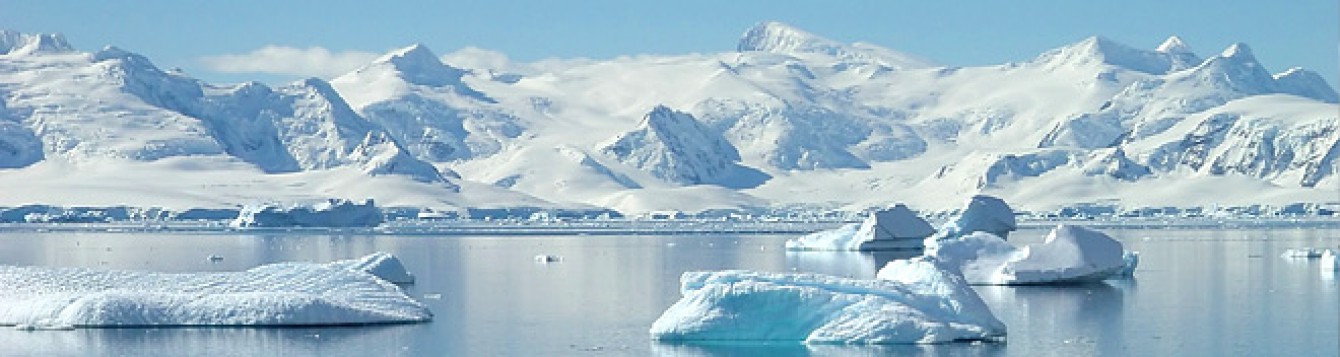
Are the scientists working to save Antarctica’s fragile ecosystem inadvertently contributing to its destruction? Could they possibly be Destroying Antarctica? A new study has linked a chemical used in flame-retardants—called polybrominated diphenyl ethers (PBDEs)—that is contaminating the Antarctic environment to Australia’s Casey research station. Researchers found that dust and treated wastewater at the station contained PBDEs and another chemical that […]

Read more
1 2