Dark matter is (probably) more complex than you think

Scientists typically believe that dark matter behaves in a simple way: if one clump encounters another, the two interact solely through gravity. However, researchers have published findings which suggest that there’s more involved. They’ve noticed dark matter (the blue lines in the photo above) lagging behind a galaxy due to friction, hinting that there are factors beyond gravity at work. […]

Read more

Ancient Boiling Oceans

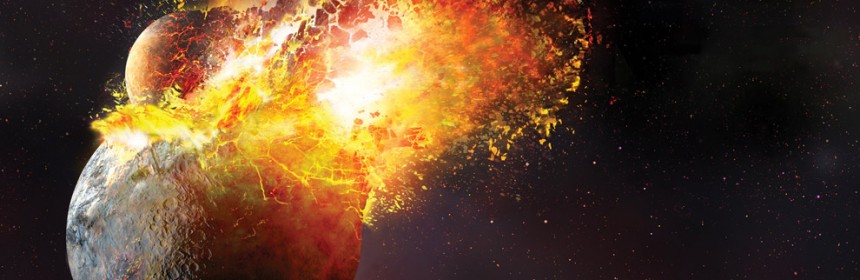
In its early days, Earth became hell. About 3.3 billion years ago, new research indicates, at least two massive asteroids 30 to 60 miles in diameter smashed into this planet, boiling the oceans and sending atmospheric temperatures soaring to an unimaginable 932 degrees Fahrenheit. Stanford University scientists have found evidence of this extreme era in a geological formation in South […]

Read more

Chimps: Natural-born killers

Why do chimpanzees kill one another? For years, many studies have shown that chimps that were observed killing one another had become more aggressive only when humans encroached on their environment. But new studies have lent weight to an alternative theory: Chimpanzees are, like humans, natural-born killers who use violence as a means of expanding their territory and increasing their […]

Read more

When the Red Planet was partly blue

Astronomers have found the strongest evidence yet that ancient Mars had a massive ocean for millions of years— an indication that the Red Planet once had everything necessary to support life. Shortly after Mars formed 4.5 billion years ago, NASA scientists say, the planet was wet, with enough water to cover the entire planet to a depth of about 450 […]

Read more

The sun takes a rare hiatus

Sunspot activity may be entering a lull for the first time in almost 400 years, offering scientists a rare chance to gauge how solar conditions affect Earth’s climate. “This is highly unusual and unexpected” says Frank Hill, a researcher at the National Solar Observatory. Three new NSO studies suggest that the sun’s fluctuating magnetic field may soon become too weak […]

Read more

Depressed? Blame the heavens

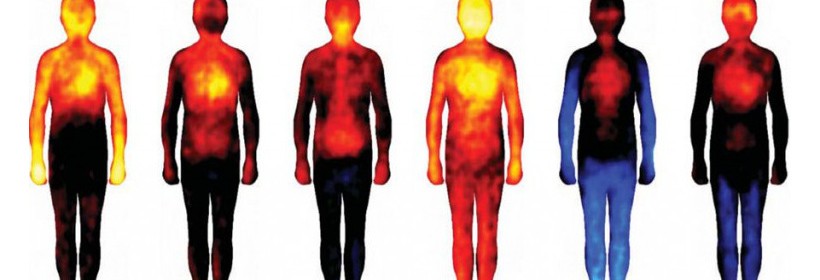
Scientists have long laughed at astrology’s underlying premise—that celestial events can influence human emotions and behavior. But a series of new studies has produced evidence that at least one kind of astronomical event—solar flares—may, in fact, affect human beings. Periodically, the sun erupts with large storms that hurl waves of electromagnetically charged particles into space, altering Earth’s own magnetic field. […]

Read more

Tremors from fracking

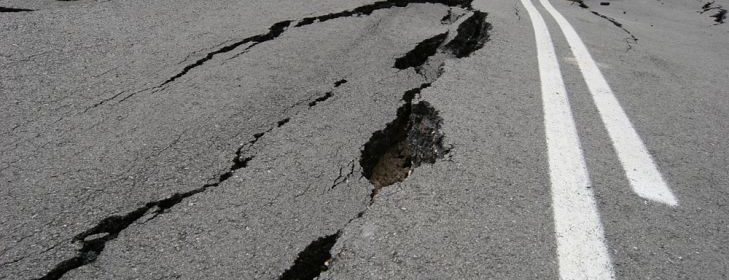
Prague, Okla Tremors from fracking: Scientists have linked Oklahoma’s largest earthquake—a 5.6 magnitude quake near the town of Prague, in 2011—to hydraulic fracturing, supporting claims that the process increases seismic activity. Fracking, as it is known, injects water and chemicals into petroleum deposits in order to extract trapped gas. This week, researchers at the University of Oklahoma, Columbia University, and […]

Read more
1 5 6 7 8 9 11