Antarctica’s Balmy Past

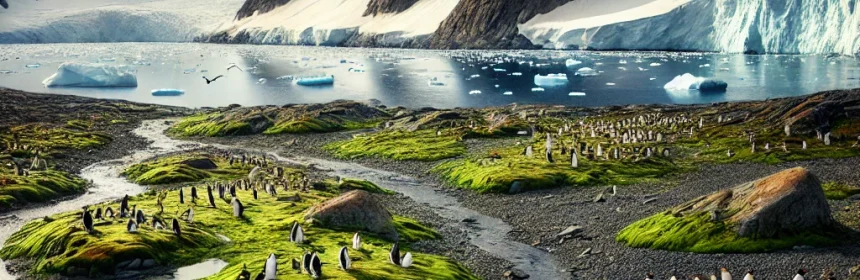
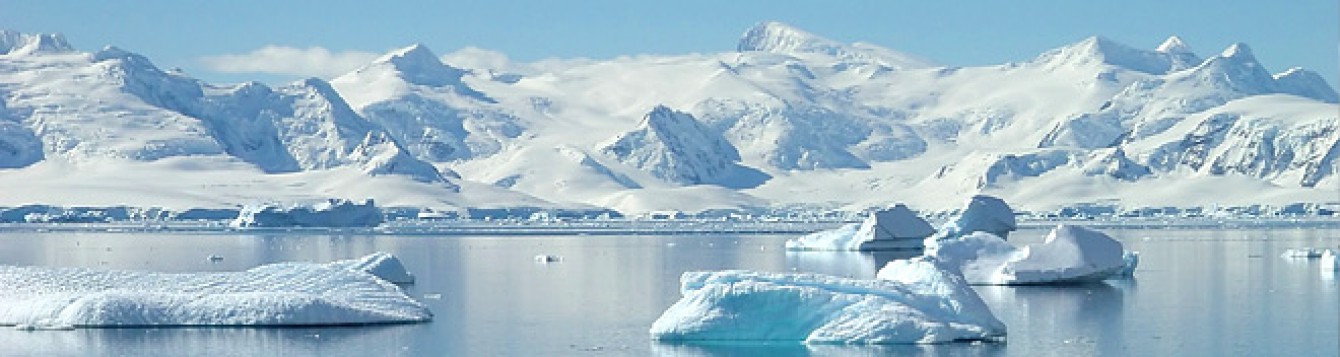
When the atmosphere had much higher levels of carbon dioxide, Antarctica was as warm as California. New research has revealed that 430 million to 50 million years ago, temperatures on the frozen continent averaged 57 degrees Fahrenheit, with part of the surrounding Pacific Ocean reaching up to 72 degrees. In this ancient era, known as the Eocene epoch, carbon dioxide […]

Read more

Why Did The Worlds 2nd Largest Emperor Penguin Colony Disappear?

Emperor Penguins Wiped Out - Antarctic Ice Shelf

In 2016, the world’s 2nd largest emperor penguin colony had been wiped out overnight. Thousands of emperor penguin chicks drowned after an ice shelf in Antarctica collapsed. In the years following the catastrophic collapse of the ice shelf at Halley Bay, Scientists have concluded that no breeding has been detected in the area since. On average, approximately 15,000 to 24,000 […]

Read more

Vines strangle carbon storage in tropical forests

Tropical forests account for a third of the total carbon fixed by photosynthesis. Lianas’ increasing abundance may be driven by changing climate, increased disturbance or by more severe seasonal drought. By reducing the ability of tropical forests to accumulate and store carbon released through burning fossil fuels, lianas could cause a positive feedback loop, accelerating climate change. “This study has […]

Read more

Deepwater spill still killing fish

The oil released during the BP Deepwater Horizon disaster may damage fish populations in the Gulf of Mexico for years to come. New research from the National Oceanic and Atmospheric Administration found that exposure to crude oil can cause heart defects in fish embryos—abnormalities that will likely kill many developing fish and shorten the lives of others. The study looked […]

Read more
1 2 3 4 5 6